
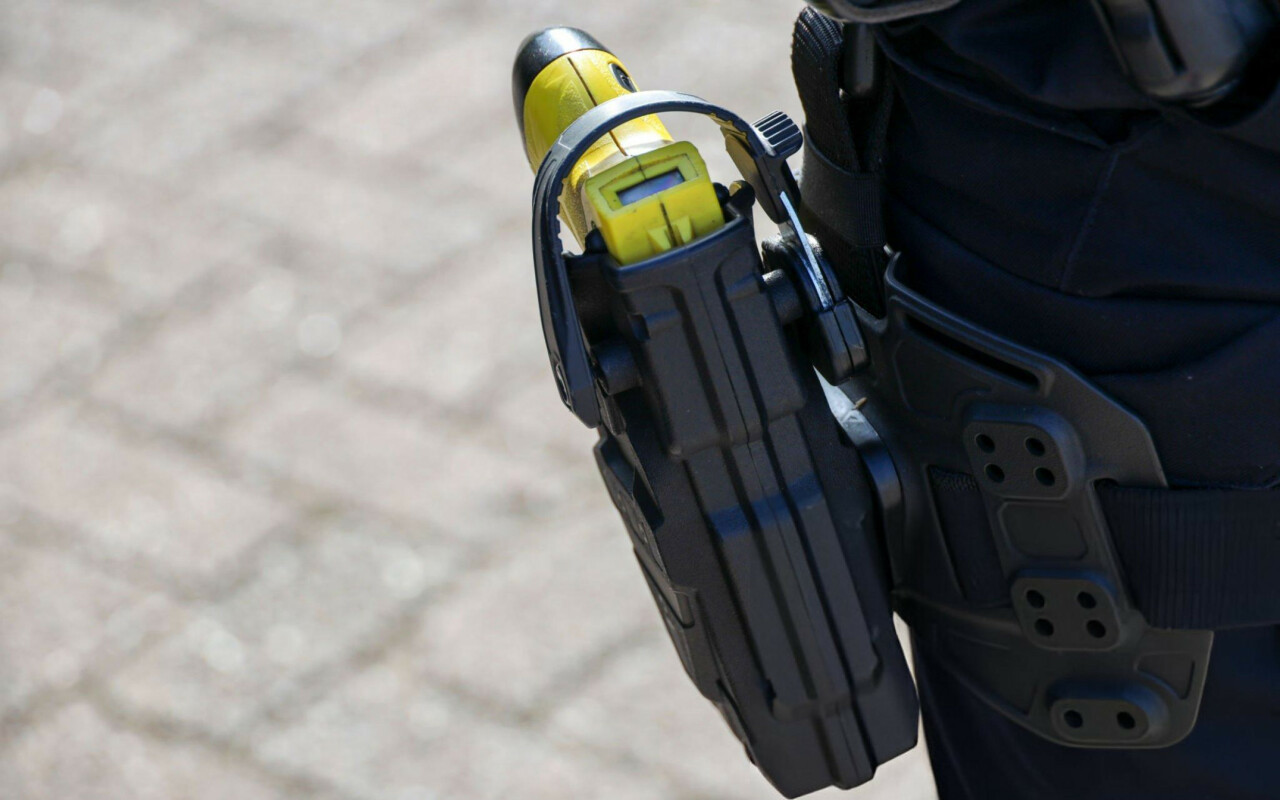
Day 1 – Basic Concepts and Safe Work Environment:
- Introduction to types of electric weapons (Taser – Stun Gun)
- Difference between traditional and non-lethal weapons
- Objectives of using non-lethal weapons
- General safety principles when handling weapons
- Understanding the legal framework in the host country
Day 2 – Technical Structure of the Weapon and Safe Handling:
- Components of the electric weapon and how it works
- How to ensure the weapon is ready for use
- Daily inspection and maintenance procedures
- Storage and transportation guidelines
- Situations where weapon use is prohibited
Day 3 – Legal and Ethical Scenarios:
- When is it legally allowed to use the weapon?
- Legally permitted/prohibited cases
- Required reports after weapon usage
- Real-life case studies
- Ethical considerations when dealing with civilians
Day 4 – Practical Usage Skills:
- How to draw the weapon quickly and safely
- Accurate aiming at the target
- Training on different body positions during confrontation
- Simulating real threat scenarios
- Handling weapon malfunction or failure
Day 5 – Performance Test and Emergency Response:
- Practical simulation test for each trainee
- Disarming or de-escalation strategies without firing
- Post-usage procedures (securing – first aid – reporting)
- Individual performance evaluation
- General review and distribution of symbolic/appreciation certificates